When an excavator exhibits reduced power or slower operation, systematic troubleshooting across key systems is essential. Here's a concise guide to diagnosis and repair:
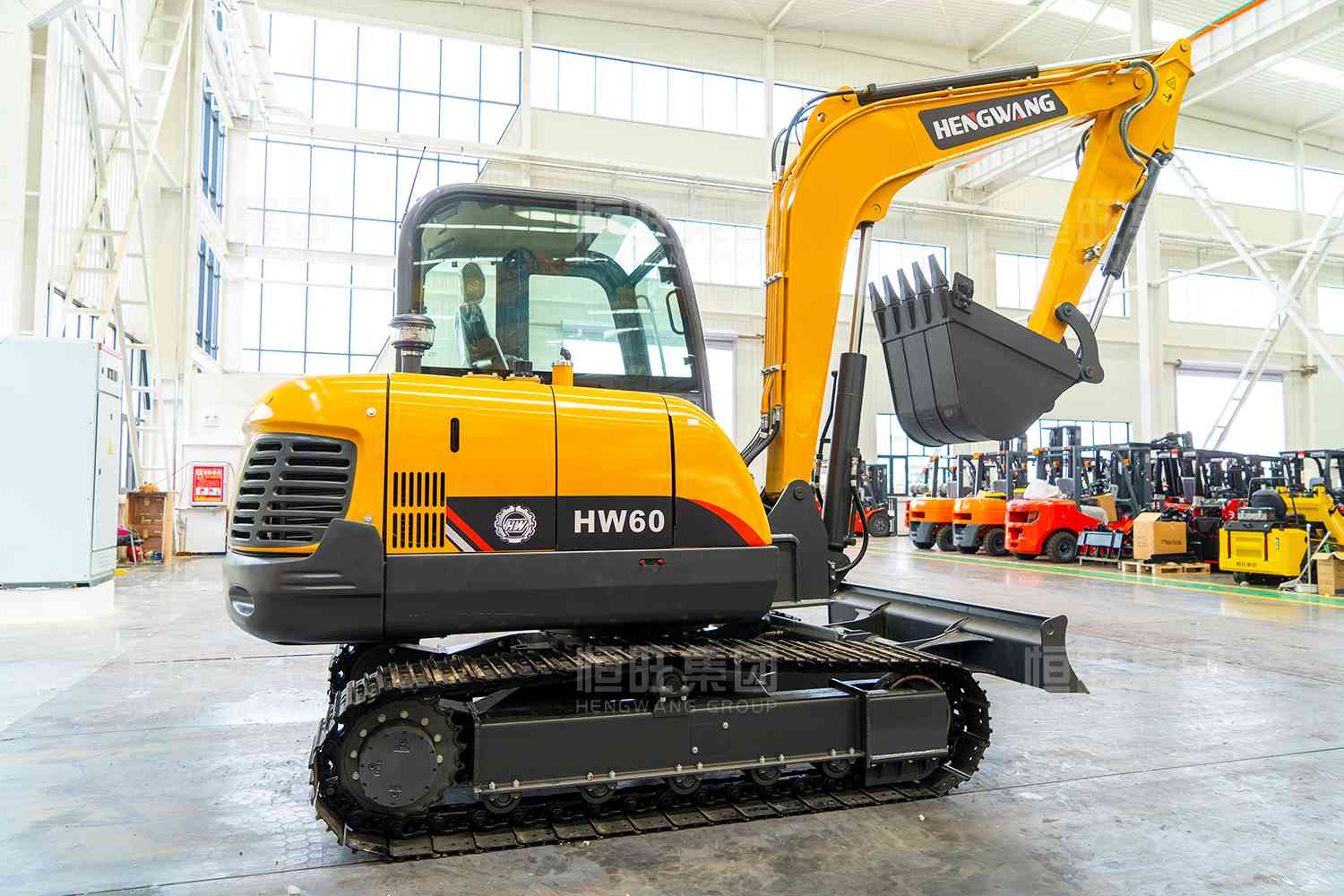
Verify if the hydraulic pump automatically adjusts displacement according to load to ensure optimal power distribution without compromising speed.
Adjust system pressure per manufacturer specifications to prevent engine stalling under heavy loads.
Follow a structured check order (electrical → hydraulic → mechanical):
Electrical System: Check fuses and sensor signals for irregularities.
Hydraulic Circuit: Test main pump pressure and inspect control valve operation.
Mechanical Transmission: Examine gearbox oil condition and cylinder performance.
Gradual Power Loss: Often caused by hydraulic pump wear or engine carbon buildup; repair or clean components as needed.
Sudden Slowdown: Focus on circuit shorts or valve spool blockages; disassemble hydraulic components if necessary.
Stalling Under Load: Adjust relief valve settings to factory specifications.
For used or older excavators:
Evaluate engine cylinder pressure and overhaul if necessary.
Refurbish critical hydraulic components like pumps and motors.
Replace worn solenoid valves, safety valves, and other aging parts.
Keep hydraulic schematics and fault code references on hand.
Use thermal imaging to quickly identify overheating components.
Maintain a maintenance log to track wear trends of critical parts.